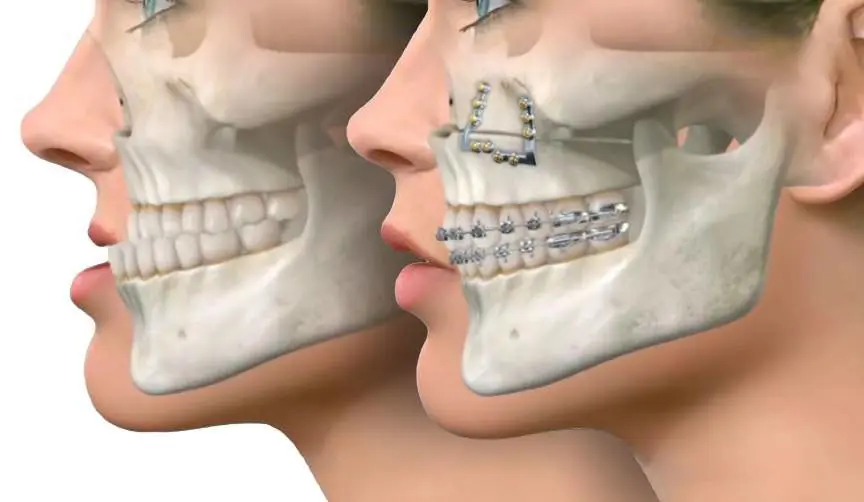
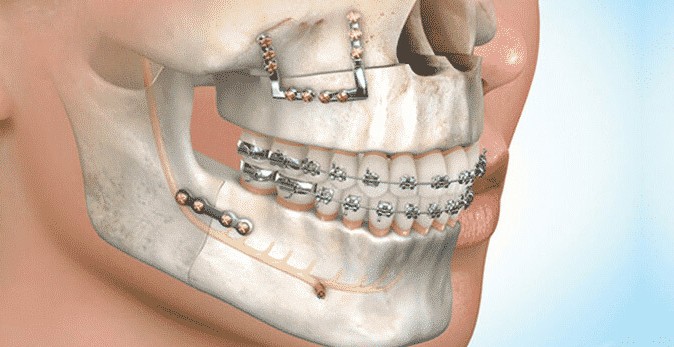
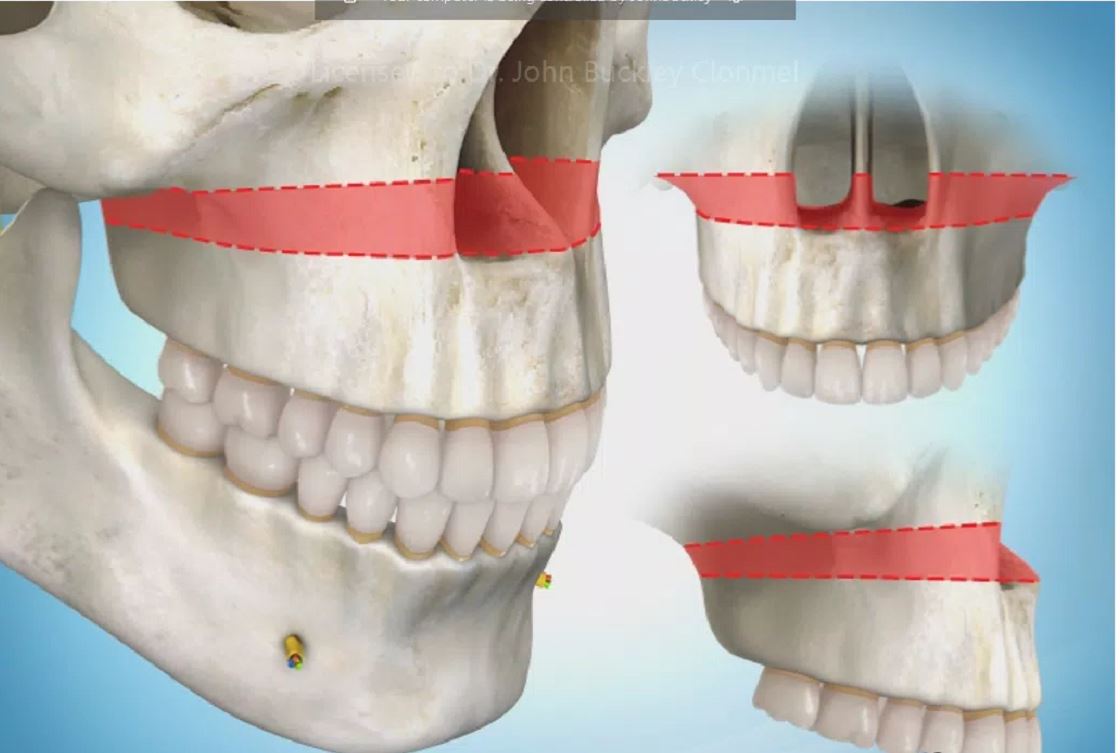
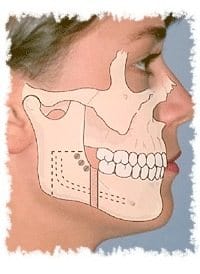
When orthodontics alone is not enough, maxillofacial surgery repositions the jaws to restore function, aesthetics and facial harmony.
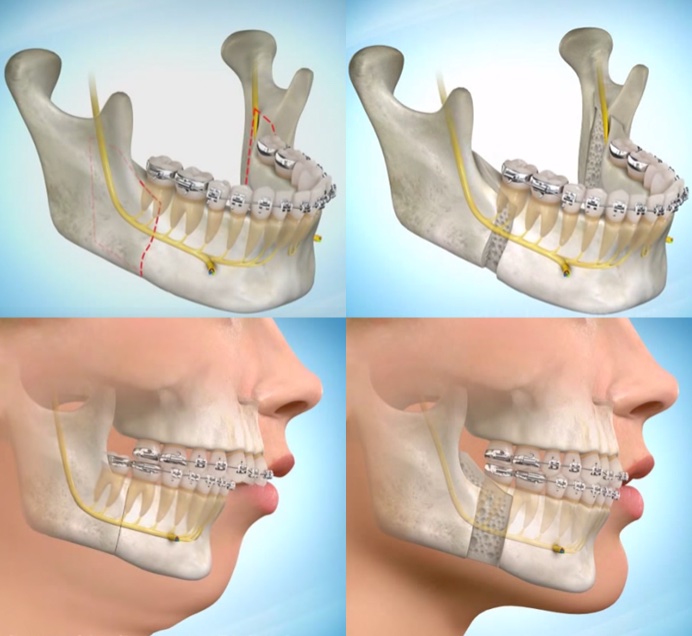
While orthodontics aligns the teeth, maxillofacial surgery repositions the jaws. It allows the patient to regain essential functions:
Moving the jaws also moves the teeth and reduces the overall treatment duration. Surgery must be combined with orthodontics to facilitate the surgeon's work and achieve the best dental relationships.
Patients after age 16-18 who have completed their growth and for whom the jaw discrepancy is too significant to be compensated by simply moving the teeth.
Lower jaw too far forward relative to the upper jaw, creating a concave profile.
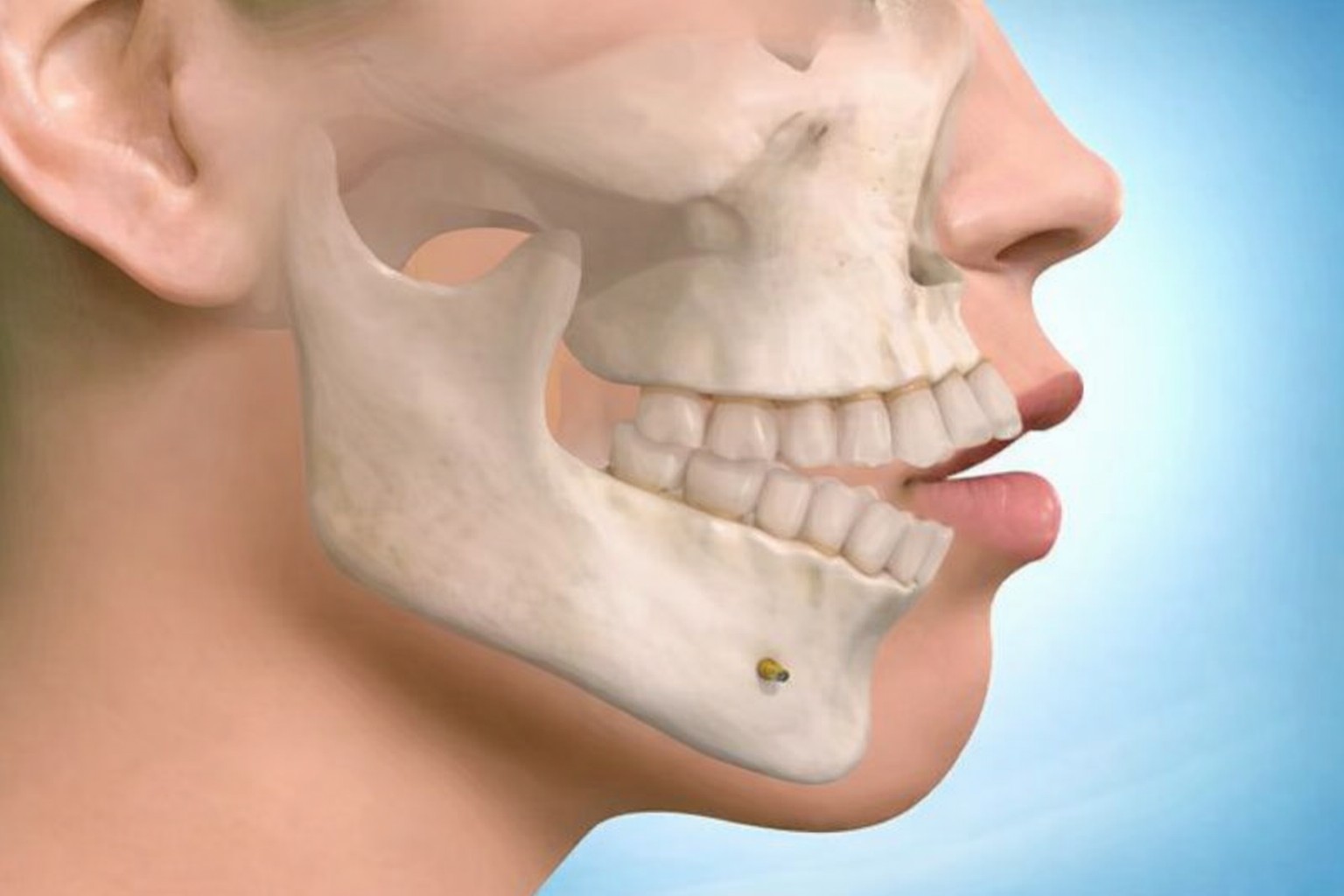
Lower jaw too far back, creating a convex profile with a receding chin.
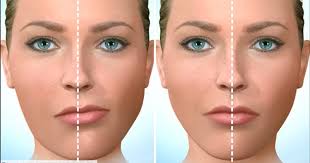
Lateral deviation of one or both jaws creating a visible facial imbalance.
Inability to close the front teeth together, affecting chewing and speech.
Jaw advancement is curative in over 95% of cases of severe obstructive sleep apnea.
Face too long with excessive gummy smile or difficulty closing the lips at rest.
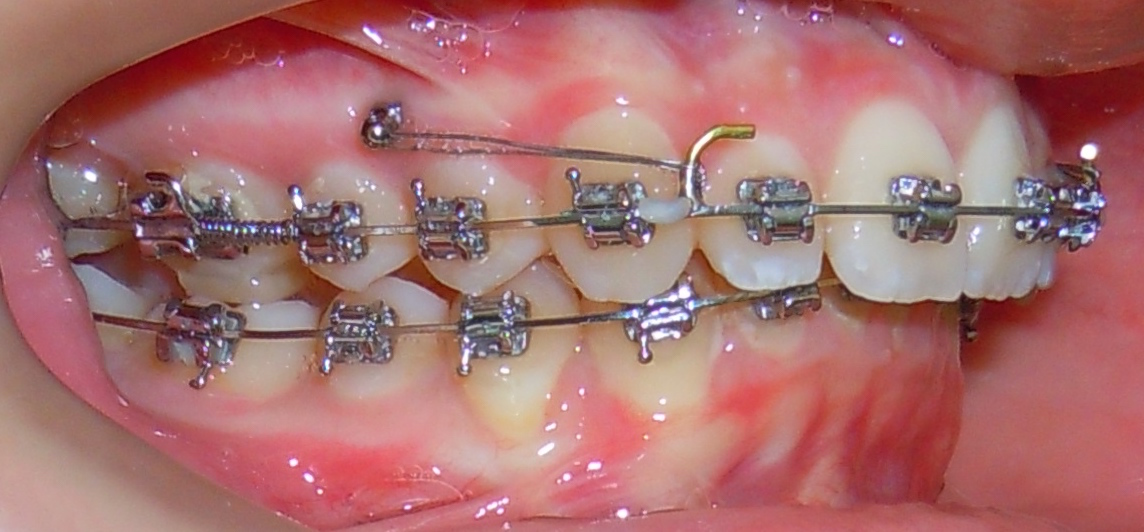
The patient wears fixed appliances (“braces”). Dr Benguira aligns the teeth to an ideal arch form. Sometimes, this makes the misalignment more visible temporarily.
The patient sees the surgeon again 2 months before the operation. Thanks to virtual surgical planning (VSP), every movement is calculated to the millimeter with 3D-printed surgical guides.
Under general anesthesia. All incisions are made inside the mouth — no visible scarring. Hooks are placed for retaining elastics for 4 weeks.
4 to 6 weeks after the operation, the final orthodontic movements resume as jaw mobility returns to normal.
Virtual surgical planning (VSP) transforms the approach to jaw surgery with a 42% increase in surgical success rate.
Exact calculation of jaw movements in all 3 dimensions of space.
The patient can see the anticipated result even before the procedure.
Custom surgical guides for optimal precision during the procedure.
The surgery is performed under general anesthesia, so there is no pain during the procedure. After the operation, swelling and discomfort are normal for 2 to 3 weeks, well managed with prescribed medication.
No. All incisions are made inside the mouth. No scars are visible on the face.
Return to work in 2-3 weeks. Return to sports in 6-8 weeks. Swelling gradually decreases over several weeks, with final results visible after a few months.
In some moderate cases, the orthodontic mini-screws (TADs) allow movements previously impossible without surgery. However, severe skeletal discrepancies always require surgical correction for optimal and permanent results.
The surgical portion (hospitalization and surgery) is generally covered by RAMQ when the issue is functional. The orthodontic portion remains the patient's responsibility, but may be partially covered by private dental insurance.
For moderate cases, orthodontic mini-screws (TADs) allow previously impossible tooth movements, sometimes offering an alternative to surgery:
Only a complete evaluation can determine the best approach for your case.
Discover mini-screws (TADs) →
Free orthodontic consultation • 3D planning • Collaboration with maxillofacial surgeon
Certified orthodontist with over 20 years of experience, Dr Benguira completed his orthodontic training at the Université de Montréal after a doctorate in dental medicine. A recognized specialist on the North Shore, he combines clinical expertise and cutting-edge technology to deliver exceptional results for every patient.